
The Evolution of the Drum Kit
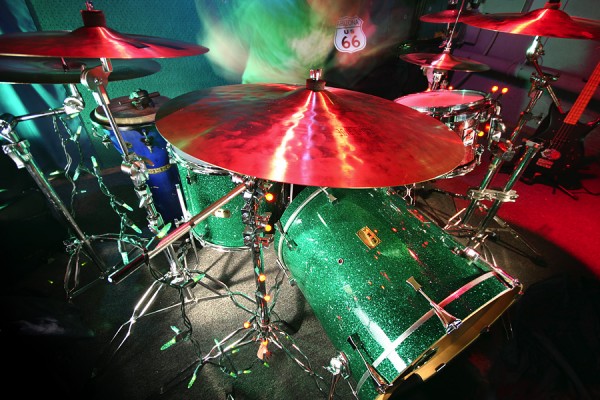
The drum kit is a staple of modern music, found in everything from jazz and rock to pop and across the entire spectrum of genres. But have you ever wondered how this iconic instrument came to be?
In this article, we’ll explore the fascinating history of the drum kit, tracing its journey from a collection of separate percussion instruments to the dynamic, unified setup we know today. We’ll uncover the key innovations that shaped its development, from the invention of the bass drum pedal to the rise of jazz and rock drumming, and examine how cultural, technological, and musical shifts have influenced its evolution.
Read on for a brief history of how the drum kit became one of the most versatile and expressive instruments in the world.
A Young Innovation in Musical History
The drum kit, as we know it today, is surprisingly young, with its origins tracing back just over a century. While drums and percussion instruments have been integral to music for thousands of years, the idea of combining multiple percussion instruments into a single, cohesive setup emerged only in the late 19th century. This innovation was driven by practicality, creativity, and economic necessity, and it forever changed the landscape of modern music.
Early Beginnings: From Individual Drums to a Unified Setup
Before the drum kit, percussion parts were typically played by separate individuals, each handling a specific instrument such as the bass drum, snare drum, or cymbals. This setup worked well for orchestras and marching bands, where space and budgets were less of a concern. However, as performances moved into smaller venues like theatres and concert halls, space and financial constraints made employing multiple percussionists impractical.
Drummers began experimenting with ways to play multiple instruments themselves. Early innovations included mounting drums and cymbals in accessible positions and even using their feet to play additional parts. Some drummers would physically kick the bass drum, a technique that led to its enduring nickname: the "kick drum." However, this method was neither efficient nor sustainable for longer performances.
The breakthrough came in 1909, when William F. Ludwig and his brother developed the first commercially successful bass drum pedal. This invention allowed drummers to play the bass drum with their foot, freeing up their hands for other instruments and paving the way for the modern drum kit.
Jazz and the Rise of the Drum Kit
The drum kit began to gain recognition as a standalone instrument in the 1920s and 1930s. Jazz drummers pushed the boundaries of what was possible, showcasing incredible technical and physical skills that captivated audiences. Drummers of the era such as Gene Krupa, Chick Webb and Baby Dodds elevated the role of the drummer from a background accompanist to a central figure in the band.
As jazz grew in popularity, so did the demand for drum kits tailored to this dynamic style of music. Manufacturers began producing kits with standardised components, including:
- Snare drum: for sharp, crisp rhythms.
- Bass drum: for deep, resonant beats.
- Tom-toms: for melodic fills and accents.
- Cymbals: including crash, ride, and hi-hats for shimmering textures.
Drummers also began to add their own flair, customising their setups to suit their playing styles and musical genres.
Mid-20th Century: Innovation and Evolution
The drum kit continued to evolve throughout the mid-20th century, driven by the rapid development of new music styles. Rock and roll, blues, and later genres like funk and soul placed the drum kit at the heart of their sound. During the 1960s, drummers like Ringo Starr of The Beatles and John Bonham of Led Zeppelin became household names, inspiring a new generation of musicians.
Key developments during this time included:
- The Hi-Hat Pedal: First introduced in the 1920s as a "low boy," the hi-hat evolved into a more sophisticated instrument with adjustable height and sound.
- Tuning Innovations: Drum heads moved from animal skins to synthetic materials like Mylar, which offered greater durability and consistent sound.
- Amplification: As music venues grew larger and amplified music became the norm, drummers needed louder, more robust kits. Microphones and electronic pickups began to appear, ensuring the drum kit could hold its own in massive stadiums.
The Modern Drum Kit: Versatility and Technology
From the 1970s onward, drum kits became more versatile and customisable, with innovations catering to a wide range of musical styles. In addition to acoustic drums, electronic drum kits emerged, offering drummers endless sound possibilities and the ability to practice silently.
Today, drum kits are a cornerstone of modern music. Whether in jazz clubs, rock arenas, or home studios, drummers have more tools than ever to express their creativity. Innovations like hybrid drum kits (combining acoustic and electronic elements), advanced pedals, and high-tech triggers continue to push the boundaries of what’s possible.
The Legacy of the Drum Kit
The drum kit has come a long way from its humble beginnings as a collection of separate percussion instruments. What started as a practical solution to space and budget constraints has become an iconic instrument, central to countless genres and styles. Its development reflects the ingenuity of drummers and the transformative power of music itself.
The Drum Kit and YOU
Whether you're a beginner exploring the basics or an experienced drummer pushing creative boundaries, the drum kit’s history is a testament to the endless possibilities of rhythm and sound. If this inspires you to start your drumming journey, why not book your first lesson and become part of this ongoing legacy?

About Elephant Drums
Drum Lessons in London
Elephant Drums is London's independent collective of drum teachers.
For information about drum lessons, workshops and events visit www.elephantdrums.co.uk/drum-tuition/

You forgot to say how the term “trap “kit started. someone called putting all the drums together a “contraption”, and then that word contraption was shortened to trap